A modern flour mill plant plays a vital role in transforming raw wheat into clean, nutritious, and finely milled flour through a systematic processing workflow. With advanced technology and efficient equipment, today’s milling facilities deliver higher productivity, improved flour quality, and reduced operational costs. Swarn and Company continues to offer reliable milling solutions that help businesses establish efficient and profitable flour production operations.
What Is a Flour Mill Plant?
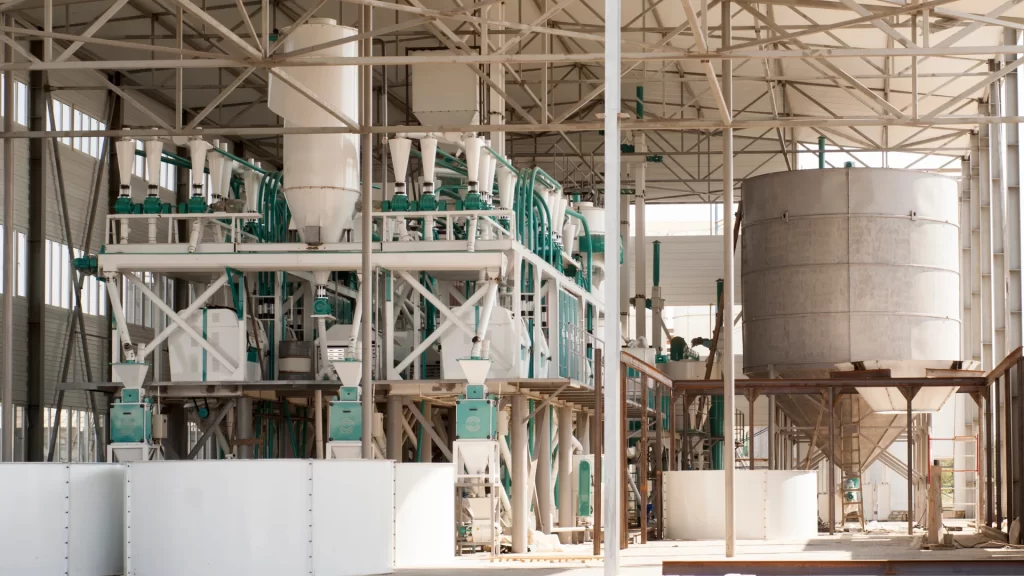
A flour mill plant is an industrial facility designed to process raw wheat into different grades of flour. It combines multiple machines and processing stages to clean, condition, grind, sift, and package wheat into high-quality flour products.
A modern mill plant is capable of handling large production volumes while maintaining consistent quality. Depending on production requirements, these plants are available in different capacities for small businesses as well as large commercial flour manufacturers.
Importance of a Modern Flour Plant
An advanced flour plant ensures that wheat is processed hygienically and efficiently while maintaining its nutritional value. Automated systems reduce manual intervention, improve production speed, and minimize product loss.
Businesses investing in modern milling technology benefit from:
- Higher production efficiency
- Better flour quality
- Reduced wastage
- Consistent output
- Lower operating costs
- Improved food safety
- Increased profitability
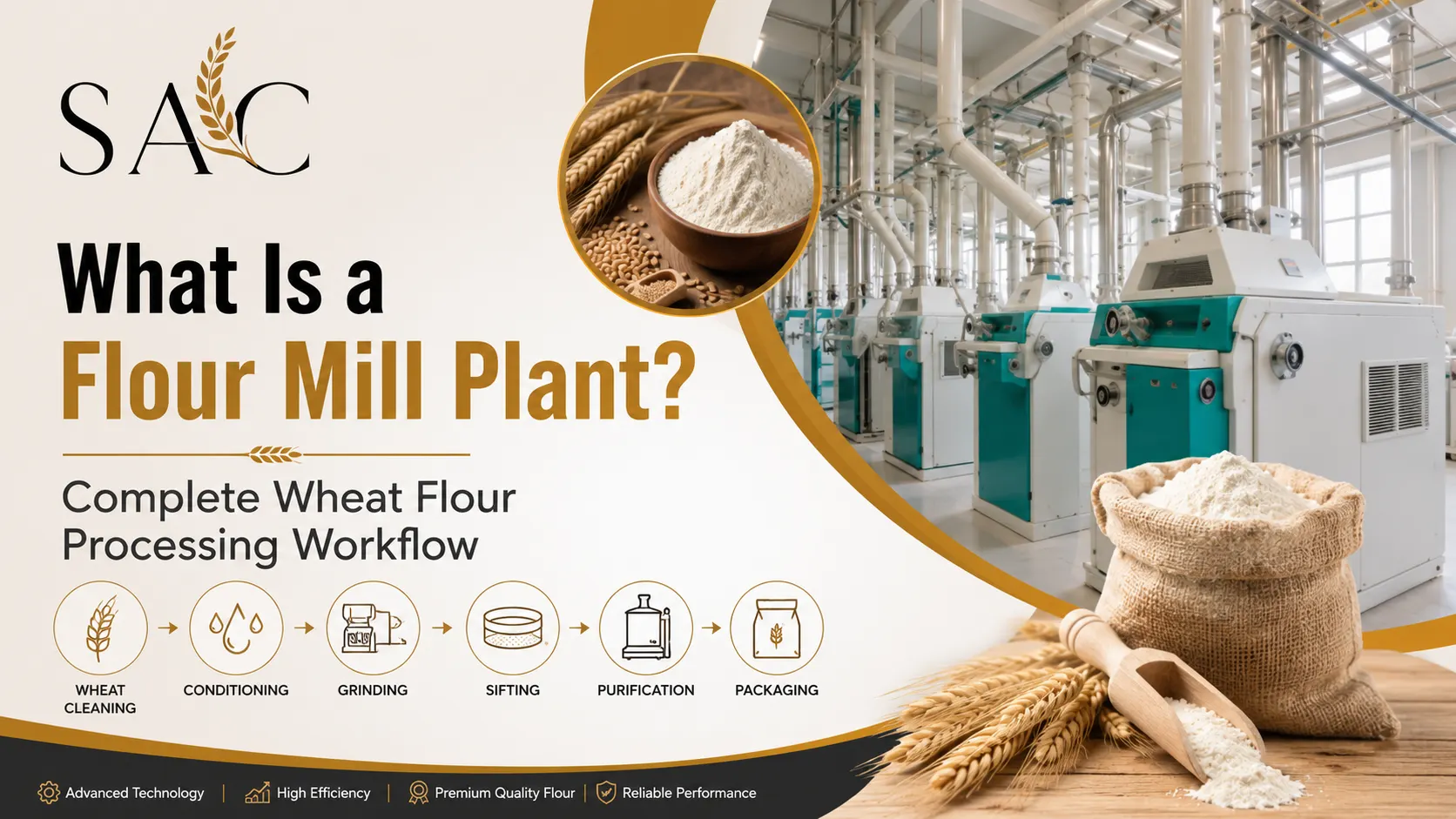
Wheat Flour Processing Workflow
The production of wheat flour involves several carefully planned stages. Each process contributes to producing clean, high-quality flour.
1. Wheat Receiving
The process begins with receiving raw wheat from farms or suppliers. The wheat is inspected for moisture, impurities, and grain quality before entering the production line.
2. Cleaning Process
Cleaning is one of the most important stages in any flour mill plant. Dust, stones, straw, sand, metal particles, and other impurities are removed using advanced cleaning equipment.
Common cleaning machines include:
- Vibro separators
- Destoners
- Magnetic separators
- Aspirators
- Scourers
This step protects the flour mill machinery and improves flour quality.
3. Wheat Conditioning
After cleaning, wheat is conditioned by adding the correct amount of moisture. This softens the bran while strengthening the endosperm, making the grinding process more efficient. Proper conditioning improves flour extraction and enhances final product quality.
4. Milling Process
The conditioned wheat enters the grinding section where advanced flour mill machinery gradually breaks the grain into smaller particles. Multiple roller mills perform controlled grinding to separate bran, germ, and endosperm while maintaining product quality.
5. Flour Sifting
After grinding, the flour passes through plansifters that separate flour according to particle size.
Different grades of flour are produced based on customer requirements, including:
- Maida
- Atta
- Suji
- Bran
The sifting process ensures uniform texture and consistent flour quality.
6. Flour Purification
Purifiers remove any remaining bran particles and improve flour purity before final packaging. This stage helps produce premium-quality flour suitable for commercial food production.
7. Packaging
The finished flour is automatically weighed, packed, and sealed using modern packaging machines. Proper packaging protects the flour from moisture, contamination, and damage during storage and transportation.
Benefits of Installing a Flour Mill Plant
A modern flour mill plant provides numerous advantages for flour manufacturers.
High Production Capacity
Automated systems process large quantities of wheat efficiently.
Consistent Flour Quality
Advanced machinery ensures uniform particle size and excellent product consistency.
Reduced Labor Costs
Automation minimizes manual handling and improves productivity.
Energy Efficiency
Modern equipment is designed to reduce energy consumption while maximizing output.
Hygienic Processing
Enclosed production systems maintain food safety and reduce contamination risks.
Long-Term Reliability
Premium flour mill machinery offers dependable performance with minimal maintenance.
Why Choose Swarn and Company?
Swarn and Company has earned a strong reputation for manufacturing high-quality flour mill machinery designed to meet the needs of modern flour processing industries. Our company continues to offer customized milling solutions that combine advanced technology, durability, and operational efficiency.
Whether you require a compact flour plant for small-scale production or a fully automated commercial flour mill plant, Swarn and Company delivers dependable solutions tailored to your business requirements.
A modern flour mill plant is an essential investment for businesses looking to produce high-quality wheat flour efficiently and consistently. From wheat cleaning and conditioning to grinding, sifting, purification, and packaging, every stage of the process contributes to superior flour production. By investing in advanced flour mill machinery, businesses can improve productivity, reduce operating costs, and maintain consistent product quality. Swarn and Company continues to offer reliable and customized flour plant solutions that help flour manufacturers achieve efficient operations, sustainable growth, and long-term success in the competitive food processing industry.