Swarn and Company understands the importance of clean, safe, and high-quality grain in flour milling and food processing. Before wheat, rice, maize, pulses, and other grains move to the next stage of production, they must be cleaned properly. One of the most important cleaning operations is the removal of stones and other heavy impurities. This is where a Destoner Machine plays a vital role.
Grains collected from farms and transported through different stages can contain unwanted materials such as stones, pebbles, sand, glass particles, and other heavy impurities. These contaminants may be similar in size to the grain, making them difficult to remove through ordinary cleaning methods. A properly designed Destoner Machine uses differences in weight, density, vibration, and airflow to separate clean grain from heavier unwanted materials.
Why Is Stone Removal Important in Grain Processing?
Stones and heavy impurities can create several problems if they are not removed before processing. Even a small amount of contamination can affect the performance of milling equipment and the quality of the final product.
Heavy particles entering the grinding section may damage rollers, grinding components, screens, and other machine parts. This can increase maintenance requirements and lead to unnecessary production downtime.
Removing these impurities during the cleaning stage helps processors:
- Improve the quality of the grain
- Protect expensive processing equipment
- Reduce wear on machinery
- Minimize the risk of equipment damage
- Support cleaner final products
- Improve overall processing efficiency
- Reduce unnecessary maintenance and downtime
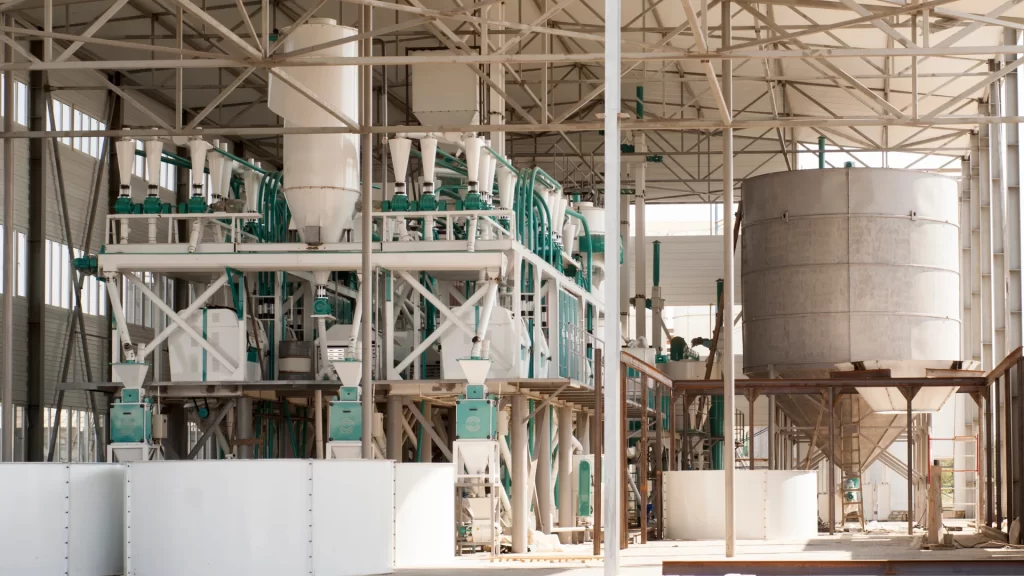
For these reasons, a Destoner Machine is an important part of many flour mills, grain processing plants, rice mills, and food processing facilities.
What Is a Destoner Machine?
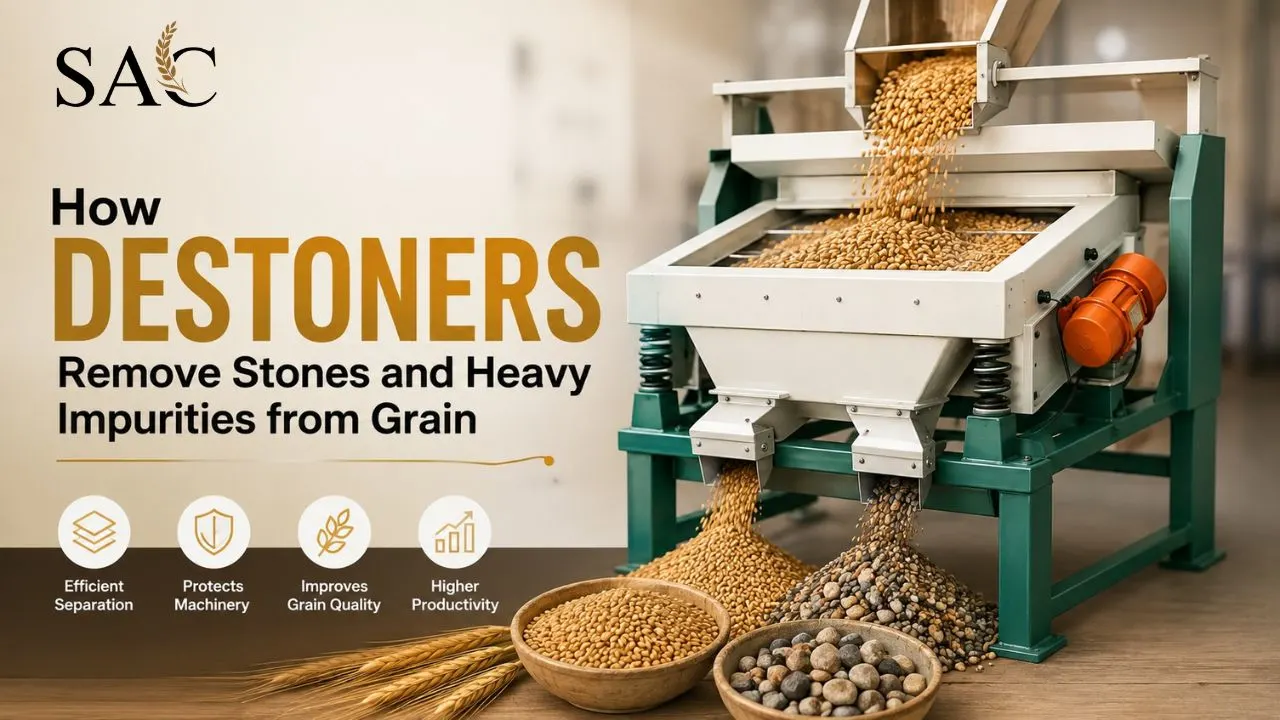
A Destoner Machine is a grain cleaning machine designed to separate stones and heavy impurities from grains. The machine works by taking advantage of the physical differences between the grain and the unwanted materials.
Although some stones may have a similar size to wheat, rice, or other grains, their density and weight are generally different. A destoner uses a combination of controlled vibration and airflow to separate these materials. The design and capacity of the machine can vary according to the type of material being processed and the required production output.
How Does a Destoner Remove Stones and Heavy Impurities?
The working process of a Destoner Machine is based mainly on three principles: vibration, airflow, and density difference. These factors work together to create an effective separation process.
1. Feeding the Grain
The grain mixed with stones and other impurities is fed into the machine. The material is distributed evenly over the working surface to ensure that the separation process takes place effectively. Uniform feeding is important because excessive or uneven material can affect the performance of the machine. A controlled flow helps create better separation between light and heavy particles.
2. Vibration of the Working Surface
Inside the machine, the material moves over a specially designed vibrating deck or screen. The continuous vibration causes the particles to rearrange according to their physical characteristics. Heavier particles such as stones tend to settle differently from lighter grain particles.
3. Controlled Airflow
Air is passed through the material from below the deck. This airflow helps lift and loosen the lighter grain particles. The grain becomes more mobile and moves differently across the vibrating surface, while heavier stones remain closer to the working deck. This difference in movement makes separation possible.
4. Separation of Heavy Materials
The combined action of vibration and airflow causes heavy impurities to move in a different direction from the cleaned grain. Stones and other dense materials are gradually carried toward a separate discharge outlet. The clean grain moves toward another outlet and continues to the next stage of processing. This allows continuous separation during the operation of the machine.
What Types of Impurities Can Be Removed?
A properly selected Destoner Machine can help separate various heavy impurities, including:
- Stones
- Pebbles
- Sand particles
- Metal fragments
- Glass particles
- Dense soil particles
- Heavy seeds
- Other unwanted materials with different physical properties
The actual separation performance can depend on factors such as the type of grain, size of impurities, moisture level, machine settings, and condition of the raw material.
Components of a Destoner
Although the design may differ between manufacturers, a typical Destoner Machine includes several important components.
- Feeding System: The feeding system introduces grain into the machine in a controlled manner.
- Vibrating Deck: The deck supports the material during separation. Its movement helps separate particles according to weight and density.
- Air Chamber: The air chamber provides controlled airflow through the working surface.
- Fan or Blower: The fan generates the required air movement for the separation process.
- Discharge Outlets: Separate outlets are provided for cleaned grain and removed impurities.
- Adjustment Mechanism: The machine may include adjustment features for controlling airflow, vibration, and material movement.
Benefits of Using a Destoner Machine
Installing a Destoner Machine can provide several advantages for grain processing operations.
- Improved Grain Quality: The machine helps remove unwanted heavy particles and supports cleaner raw material before further processing.
- Better Equipment Protection: Stones can cause serious damage to downstream machinery. Removing them early helps protect grinding and processing equipment.
- Reduced Maintenance: Cleaner grain means fewer hard particles entering sensitive machinery, which can help reduce wear and maintenance requirements.
- Efficient Continuous Processing: Modern destoners can be integrated into continuous grain cleaning and milling systems, supporting a smoother workflow.
- Better Final Product: Clean raw material provides a better foundation for producing high-quality flour and other grain-based products.
A Destoner Machine plays a crucial role in removing stones and heavy impurities from grain before milling and further processing. Through the combined action of vibration and controlled airflow, the machine separates heavy contaminants from lighter grain particles and supports a cleaner production process.
Swarn and Company can offer reliable grain cleaning solutions for flour mills and other processing industries. By selecting the right Destoner Machine, businesses can improve grain quality, protect valuable equipment, reduce maintenance issues, and build a more efficient and dependable grain processing operation.