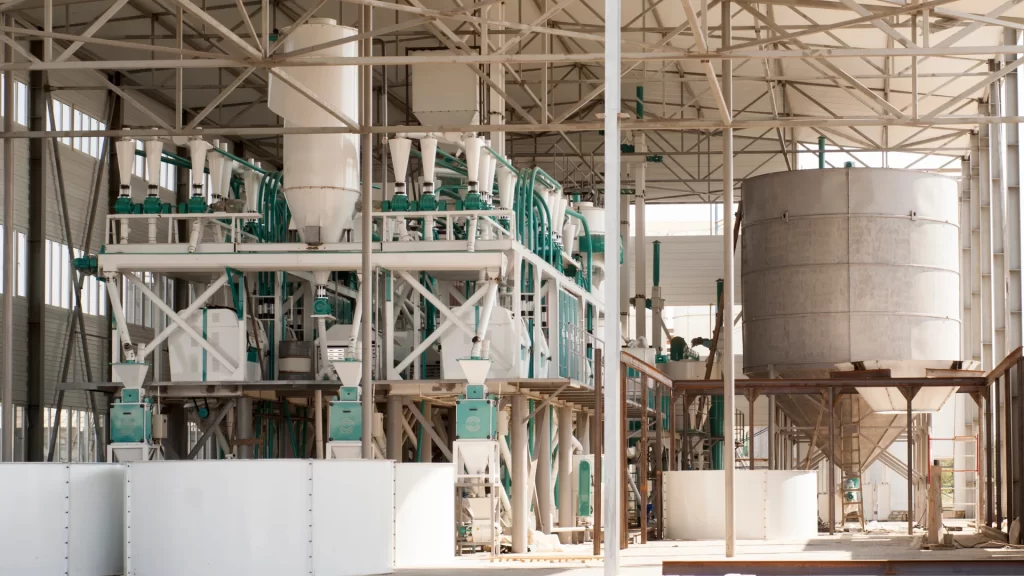
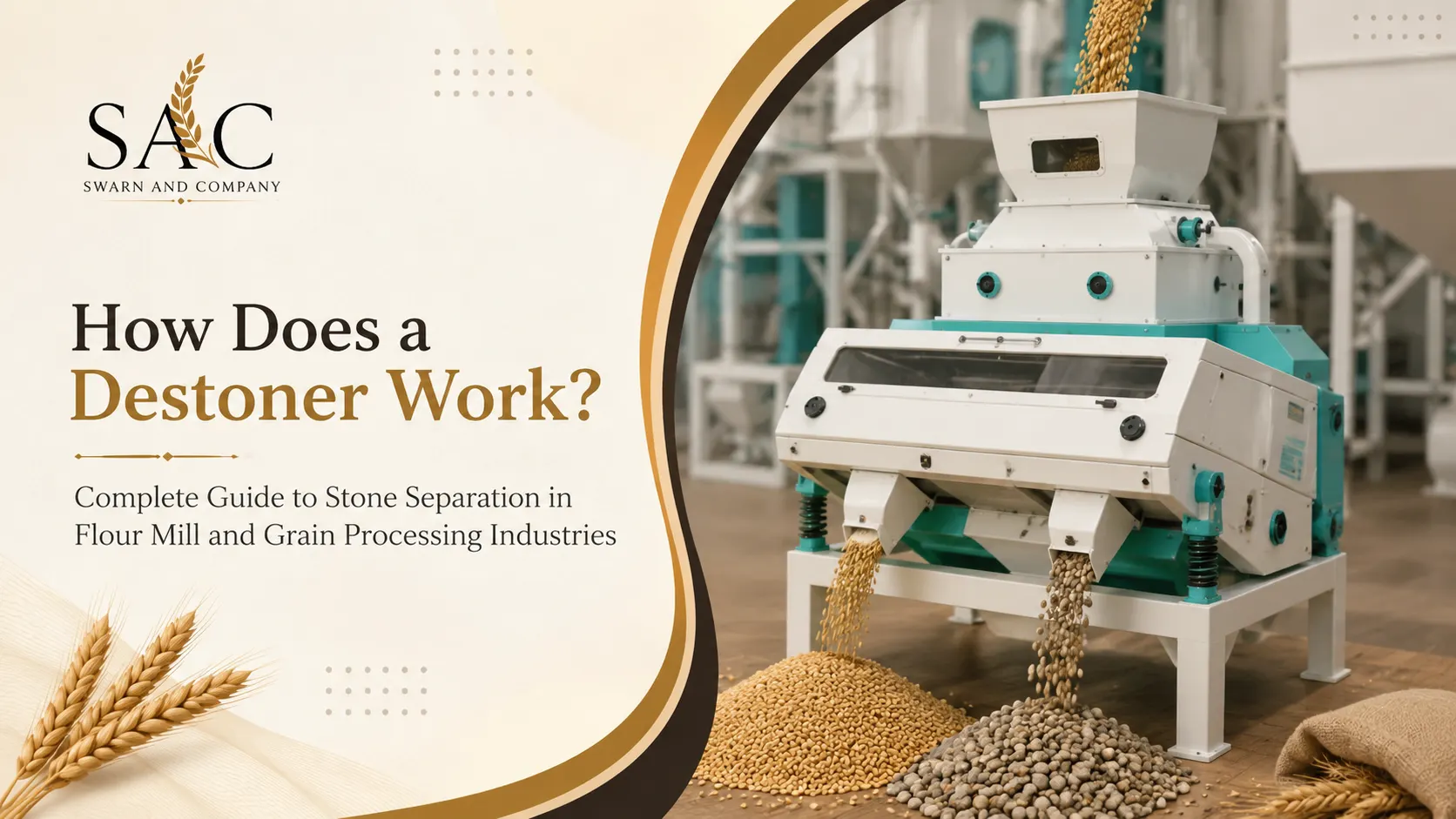
In the flour milling and grain processing industry, maintaining product purity is one of the most important aspects of production. Raw grains often contain unwanted impurities such as stones, sand, mud particles, and other heavy contaminants that can affect product quality and damage processing equipment. This is where a destoner machine plays a vital role.
Understanding the destoner working principle helps mill owners and operators appreciate the importance of this equipment in ensuring clean and high-quality grain processing. At Swarn and Company, we offer advanced grain cleaning solutions designed to improve efficiency, protect machinery, and enhance final product quality.
What Is a Destoner Machine?
A Destoner is a specialized grain cleaning machine used to separate stones and other heavy impurities from grains such as wheat, rice, maize, pulses, and seeds. Since stones have a similar size to grains, traditional screening methods cannot effectively remove them.
The machine utilizes differences in density and weight to achieve accurate separation. By applying airflow and vibration, the destoner separates heavier materials from lighter grain particles.
Destoner Working Principle
The destoner working principle relies on the difference in specific gravity between grains and impurities.
Here’s how the process works:
- Grain Feeding: Raw grain enters the machine through a feed hopper and is evenly distributed across the vibrating deck.
- Airflow Generation: A controlled stream of air passes upward through the perforated deck. This airflow partially lifts the grain bed, creating a fluidized layer.
- Vibration Action: The deck vibrates continuously. The vibration causes materials to stratify based on weight and density.
- Separation Process: Heavier particles such as stones move upward against the flow due to vibration and deck inclination. Lighter grains move in the opposite direction and are discharged separately.
- Collection of Impurities: The stones and heavy contaminants are collected through a dedicated outlet, while clean grain proceeds to the next processing stage.
This simple yet highly effective destoner machine working principle makes the equipment indispensable in modern flour mills and grain processing plants.
Key Components of a Destoner Machine
To understand the destoner working principle, it is important to know the major components involved:
- Feed Hopper: Ensures uniform feeding of grains onto the vibrating deck.
- Vibrating Deck: Provides the movement necessary for density-based separation.
- Air Suction System: Creates controlled airflow that assists in separating lighter grains from heavier impurities.
- Drive Mechanism: Generates the required vibration for effective operation.
- Stone Outlet: Removes separated stones and heavy contaminants from the machine.
- Grain Discharge Outlet: Allows cleaned grain to move to the next stage of processing.
Each component works together to maximize cleaning efficiency and ensure reliable performance.
Destoner Diagram
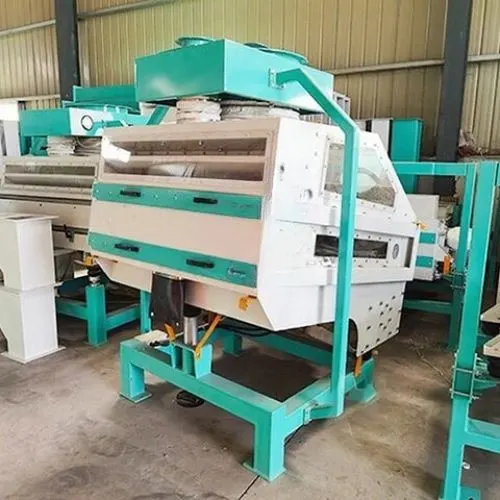
A destoner diagram is often used by engineers and operators to understand machine construction and workflow. A typical destoner diagram illustrates:
- Feed inlet location
- Vibrating deck arrangement
- Airflow direction
- Grain discharge path
- Stone discharge outlet
- Fan and suction system connections
A destoner diagram helps operators understand machine settings, airflow adjustments, and maintenance procedures. It also assists technicians in troubleshooting operational issues.
Applications of Destoner Machines
Destoners are widely used across various industries because of their ability to remove heavy impurities efficiently.
- Flour Mills: Wheat cleaning before grinding operations.
- Rice Processing Plants: Removal of stones from paddy and rice.
- Pulse Processing Units: Cleaning lentils, beans, and pulses.
- Seed Processing Facilities: Improving seed quality before packaging.
- Food Processing Industries: Ensuring raw material purity and safety.
At Swarn and Company, we offer destoning solutions suitable for different capacities and grain processing requirements.
Factors Affecting Destoner Performance
Several factors influence the efficiency of the destoner machine working principle:
- Proper airflow adjustment
- Uniform grain feeding
- Correct deck inclination
- Appropriate vibration settings
- Regular maintenance and cleaning
When these factors are optimized, the destoner achieves maximum separation efficiency and consistent performance.
Why Choose Swarn and Company?
As a trusted name in grain processing equipment, Swarn and Company continues to offer reliable and efficient grain cleaning solutions. Our destoner machines are designed to deliver superior separation performance, robust construction, and long-term reliability. We offer equipment that helps flour mills and grain processing industries improve productivity while maintaining the highest standards of product quality.
Understanding the destoner working principle is essential for anyone involved in flour milling and grain processing. By utilizing vibration, airflow, and density differences, a destoner effectively removes stones and heavy impurities from grains. The destoner machine working principle ensures cleaner raw materials, protects processing equipment, and improves overall production efficiency.
Whether you are studying a destoner diagram for operational understanding or looking to upgrade your grain cleaning system, investing in a quality destoner can significantly enhance processing performance. With advanced solutions from Swarn and Company, businesses can achieve cleaner products, greater efficiency, and long-term operational success.