Swarn and Company has been working passionately in the milling industry, and we truly understand how important it is to maintain the right flour extraction rate for your flour milling machinery. Whether you are running a small unit or operating a large commercial setup, maintaining a good extraction rate directly improves your production efficiency, flour quality, and overall profitability. At Swarn and Company, we not only offer advanced milling solutions but also support customers with easy maintenance tips so your machine continues to perform at its best.
What is Flour Mill Machinery?
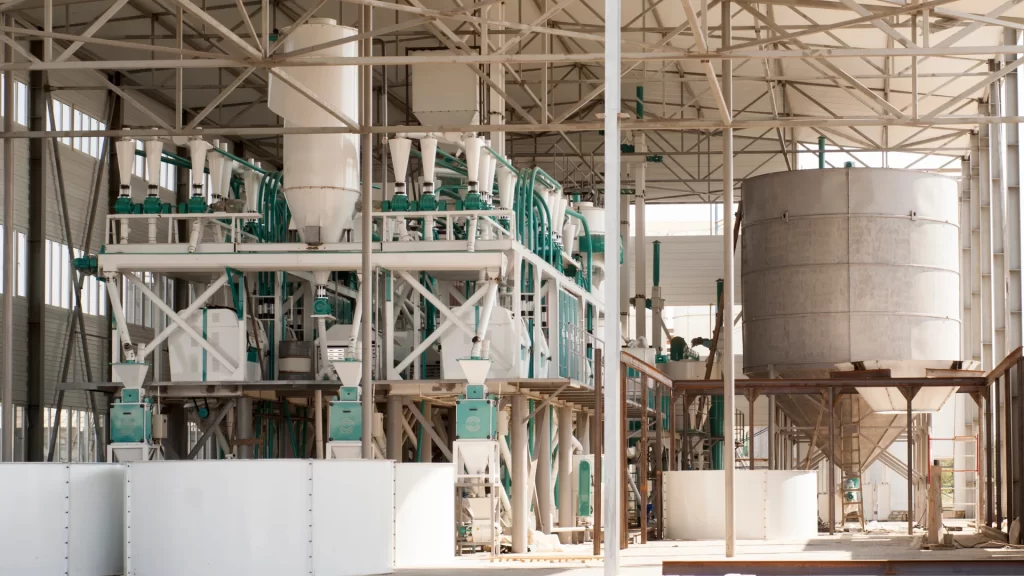
Flour mill machinery refers to the set of machines used to grind wheat or other grains into fine flour. These machines are used in homes, small businesses, and large industries to produce different types of flour for daily use or commercial purposes. Flour mill machinery includes several essential components such as cleaning machines, grinding rollers, sifters, elevators, conveyors, and packaging systems. Each part plays a role in converting raw grains into clean, fine, high-quality flour.
Benefits of Modern Flour Milling Machinery
Modern flour mill machinery has transformed the way grains are processed, making the entire milling operation faster, cleaner, and more efficient.
- Higher Production Efficiency: Modern flour mill machines are designed to handle large volumes of grain with minimal effort. They grind, sift, and process grains smoothly, resulting in faster output. This higher efficiency helps mills produce more flour in less time, which is perfect for both small and large commercial setups.
- Superior Flour Quality: Advanced machinery ensures consistent grinding and better separation of bran, resulting in cleaner and finer flour. Whether you need whole wheat flour or refined flour, modern systems maintain uniform texture, color, and purity.
- Reduced Wastage: Modern flour mill machinery is engineered to minimize wastage by grinding grains accurately and efficiently. Every grain is utilized properly, helping businesses save money in the long run.
- Low Maintenance Requirements: Most modern machines are designed with durable parts and smart technology, requiring very little maintenance. With simple cleaning and periodic servicing, the machinery continues to run smoothly. This reduces downtime and operational costs for mill owners.
- Energy Efficient Operation: New-generation flour milling systems consume less power while delivering higher output. Their optimized design and advanced motor systems help reduce electricity consumption, making them cost-effective and environmentally friendly.
Also Read : Understanding Roller Mills: Construction, Working, and Benefits
Flour Extraction Rate
Flour extraction rate refers to the percentage of flour obtained from a given quantity of wheat. For example, if 100 kg of wheat produces 75 kg of flour, the extraction rate is 75%. Maintaining this rate at an optimal level without compromising quality is essential for every mill owner.
A well-balanced approach is necessary because excessively high extraction may reduce flour quality, while too low extraction leads to wastage and higher flour mill price per unit of output. Swarn and Company offer and provide advanced solutions that help maintain the perfect balance between quantity and quality.
Below are the essential steps and tips that Swarn and Company recommends for all mill owners.
1. Ensure Proper Wheat Cleaning Before Milling
The first step towards maintaining a good extraction rate starts even before the milling process begins. Clean raw material leads to smoother operations and better flour quality. Always run wheat through the cleaning section and ensure the cleaning machines are serviced regularly. Proper cleaning reduces the load on the system, helping maintain steady output.
2. Regular Inspection of Grinding Rollers
Grinding rollers are the heart of the flour mill machinery. Their condition directly affects the extraction rate. When rollers are maintained properly, they grind wheat evenly, resulting in a high flour extraction rate.
3. Maintain Correct Moisture Level in Wheat
Moisture conditioning plays a huge role in how efficiently wheat breaks during milling. If the wheat is too dry, it will produce more bran powder, reducing flour quality. If it is too moist, it will clog the machinery. Keeping moisture balance ensures smoother separation of bran and endosperm, improving both flour quality and extraction percentage.
4. Keep Flour Mill Machinery Clean and Lubricated
Cleanliness and lubrication are key to keeping the machine functioning smoothly. Clean and lubricated machinery always delivers better extraction performance.
5. Check and Maintain the Sieving System
The sieving system separates fine flour from coarse particles. A well-maintained sifter helps you get a higher percentage of usable flour. A smooth sieving process means higher extraction rate and better flour texture.
Why choose swarn and company?
What truly sets Swarn and Company apart is their ability to offer and provide customized solutions based on the specific needs of each client. Whether it is a small-scale setup or a large industrial plant, they carefully assess production goals, space availability, and budget to recommend the most suitable configuration. This personalized approach not only improves efficiency but also helps businesses make smarter investments without overspending on unnecessary features.
Choosing Swarn and Company means partnering with a brand that focuses not just on selling machinery, but on helping your business grow. Our combination of quality products, customized solutions, modern technology, and dependable support makes them a smart and dependable choice for anyone looking to succeed in the flour milling industry.