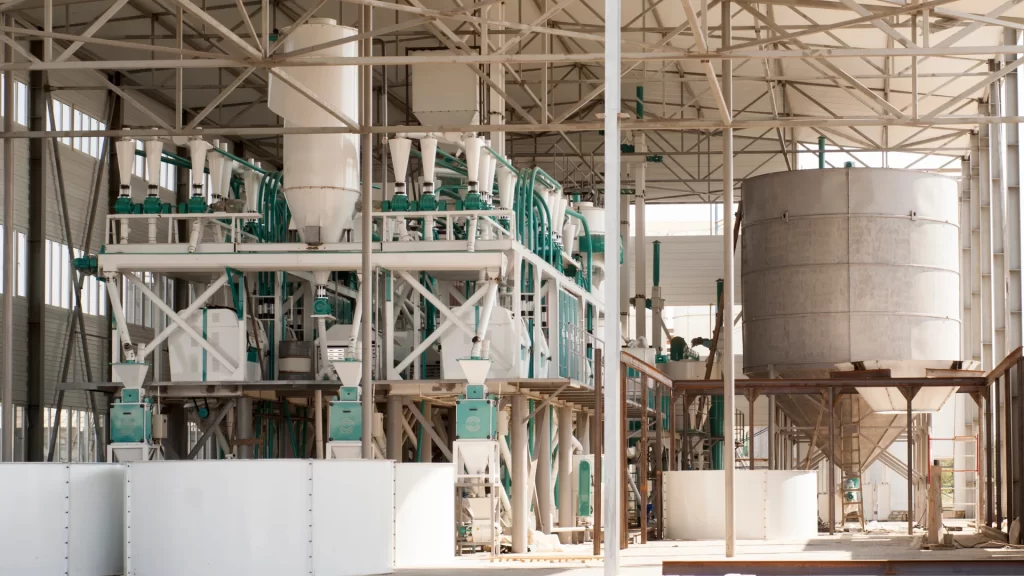
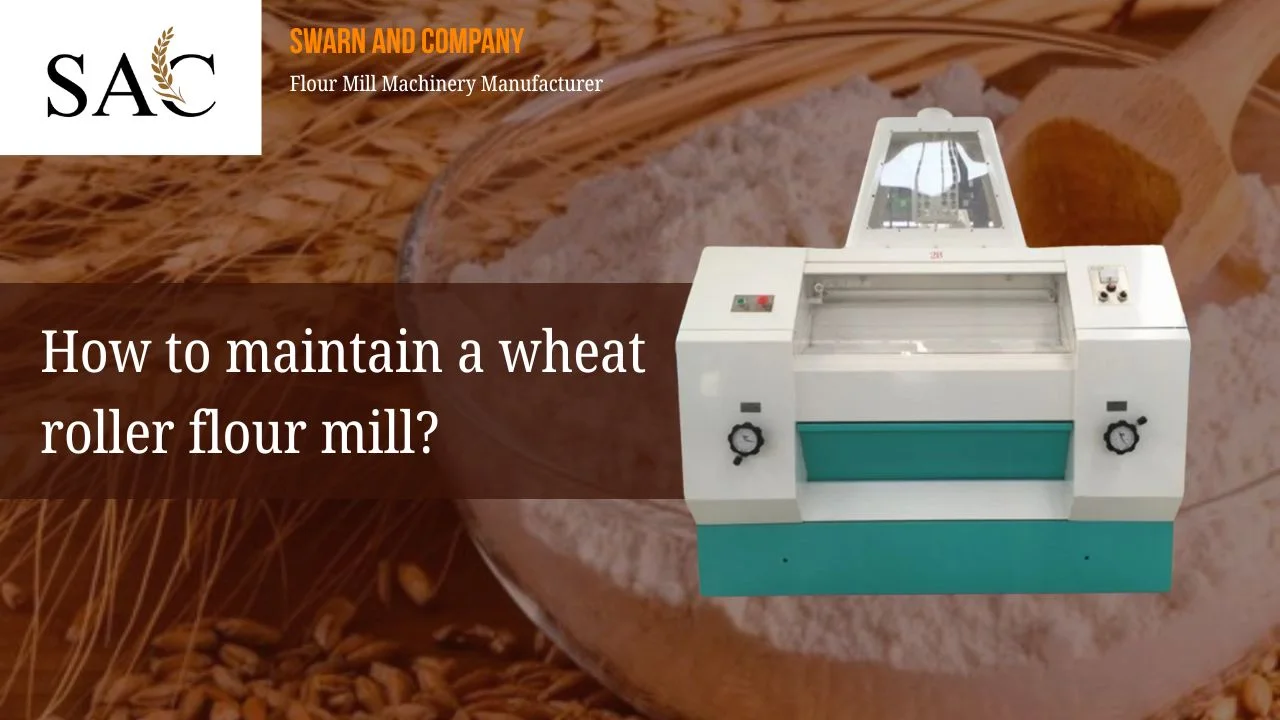
Swarn and Company has been serving the flour milling industry for years, providing reliable roller flour mill solutions. Maintaining a wheat roller flour mill is crucial to ensure consistent flour quality, reduce downtime, and optimize your roller flour mill plant cost. Proper maintenance not only extends the life of your machinery but also improves the efficiency of production, ultimately delivering high-quality roller wheat flour to your customers.
A roller flour mill operates continuously under pressure, heat, and vibration. Without regular upkeep, even the best machinery can lose efficiency. Swarn and Company always provides the recommendation to train staff on daily cleaning routines. Simple habits like removing excess dust, checking spouts, and cleaning screens can significantly reduce wear and tear in a roller flour mill.
Maintenance Tips for Roller Flour Mills
- Regular Cleaning of Mill Components: Dust, bran particles, and leftover wheat can accumulate quickly in a flour mill. Daily cleaning of rollers, sifters, and conveyor belts ensures smooth operation. Clean machinery reduces wear and tear and maintains consistent flour quality. Swarn and Company provide cleaning routines and best practices for all types of mills.
- Proper Roller Inspection and Alignment: Rollers are the heart of the milling process. Uneven or worn-out rollers can affect flour texture and reduce output. Regular inspection and alignment of rollers prevent uneven grinding and wastage. Swarn and Company offer professional guidance to ensure rollers are in top condition.
- Lubrication of Moving Parts: Proper lubrication prevents friction, overheating, and mechanical failure. Bearings, gears, and motors should be lubricated according to recommended schedules. Swarn and Company offer detailed lubrication charts to make this process easier for mill operators.
- Sifter and Screen Maintenance: Sifters separate flour into different grades. Clogged or damaged screens reduce efficiency and flour quality. Regular inspection and cleaning or replacement of screens are essential to maintain uniform grading of roller wheat flour. Swarn and Company provide advice on sifter maintenance to maximize efficiency.
- Electrical and Motor Checks: Electrical components, including motors and control panels, should be inspected for loose connections, short circuits, or overheating. Swarn and Company provide electrical support services and preventive maintenance tips for all machinery.
Also Read : How to maintain a good flour extraction rate of flour milling machinery?
Benefits of Maintaining a Roller Flour Mill
- Consistent Flour Quality: Regular maintenance ensures that roller wheat flour is of uniform texture and free from contamination, meeting customer expectations.
- Increased Machine Lifespan: Proper care of rollers, motors, and bearings reduces wear and tear, extending the lifespan of the flour mill.
- Reduced Downtime: Routine inspections and preventive maintenance prevent sudden breakdowns, ensuring continuous production.
- Cost Efficiency: Maintaining equipment reduces repair costs and lowers operational expenses, making the overall roller flour mill plant cost more manageable.
- Safety and Compliance: Well-maintained machinery reduces the risk of accidents and ensures compliance with food safety and industrial regulations.
Uses of a Well-Maintained Roller Flour Mill
- Production of High-Quality Flour: A properly maintained mill consistently produces fine roller wheat flour suitable for bread, chapati, pastries, and other food products.
- Versatile Grain Processing: Besides wheat, many roller flour mills can process other grains like maize, rice, and barley, expanding your product range.
- Efficient Industrial and Commercial Operations: Mills in factories, bakeries, and large-scale flour production units benefit from uninterrupted operation due to good maintenance.
- Accurate Weight and Measurement: A well-maintained mill ensures minimal wastage and precise output, which is essential for commercial packaging and sales.
- Supporting Small and Medium Enterprises: Small-scale businesses can efficiently produce flour for local markets, improving profitability and reducing operational challenges.
Why Choose Swarn and Company?
Choosing the right partner for your roller flour mill is as important as the machinery itself. Swarn and Company stands out because of its commitment to quality, reliability, and customer-focused service. Our company not only manufactures high-quality roller wheat flour mills but also offers comprehensive solutions that support your business at every stage.
Maintaining a wheat roller flour mill is an investment in the quality, efficiency, and profitability of your business. From cleaning and lubrication to training operators and preventive checks, every step plays a role in ensuring high-quality roller wheat flour production. Swarn and Company continues to offer expert guidance, maintenance solutions, and training to mill owners, helping them achieve smooth operations, cost efficiency, and long-term success. Properly maintained machinery is not just a tool—it’s the backbone of your flour business.