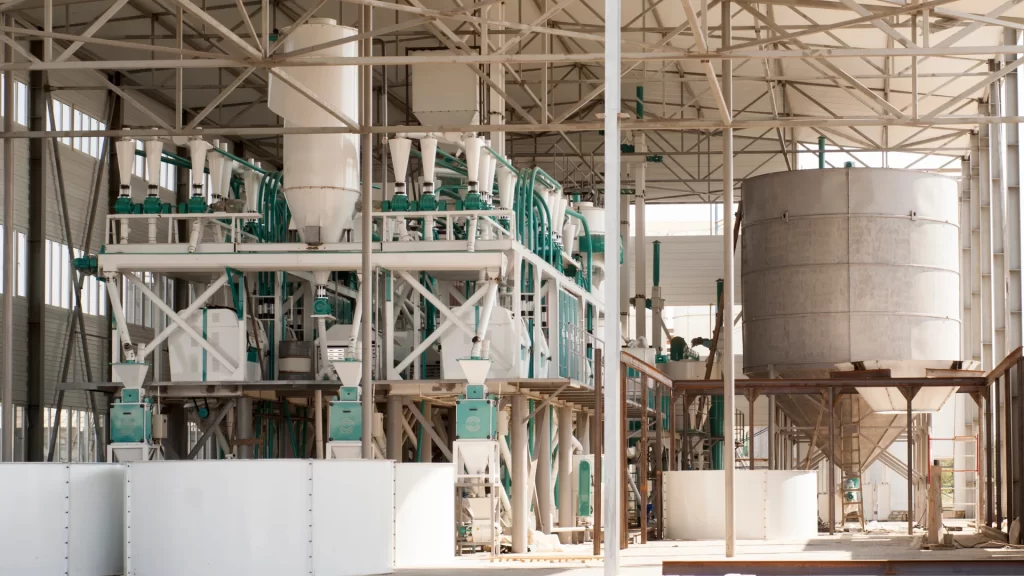
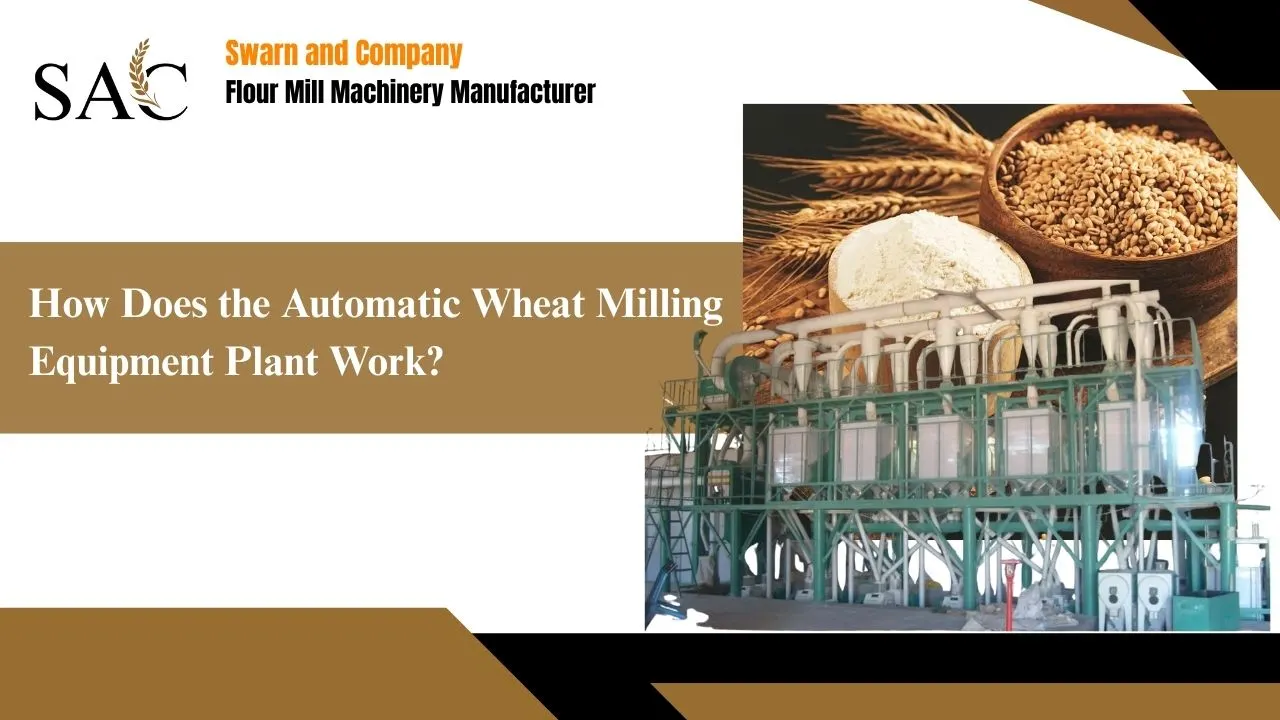
In today’s fast-paced food processing industry, automatic wheat milling equipment plants play a vital role in producing high-quality wheat flour efficiently and consistently. From small flour mills to large commercial units, automation has transformed traditional milling into a faster, cleaner, and more reliable process. Understanding how an automatic wheat milling equipment plant works can help mill owners, entrepreneurs, and buyers make informed decisions—whether they are investing in new systems or exploring used wheat flour mill machinery for cost-effective solutions.
An automatic wheat milling equipment plant is a fully integrated system designed to convert raw wheat into fine flour with minimal manual intervention. Unlike traditional methods, modern plants use advanced machines, sensors, and control panels to ensure consistent output, reduced wastage, and better hygiene. These plants can be customized based on capacity, making them suitable for small chakki setups as well as large industrial flour mills.
Step-by-Step Working of an Automatic Wheat Milling Plant
- Wheat Cleaning and Pre-Cleaning: The process begins with cleaning raw wheat to remove impurities such as stones, dust, straw, and metal particles. Machines like magnetic separators, vibrating sieves, and aspirators ensure that only clean wheat moves forward.
- Wheat Conditioning and Tempering: After cleaning, wheat is conditioned by adding controlled moisture. This softens the bran and prepares the grain for grinding. Proper tempering improves flour extraction and enhances the efficiency of the milling process.
- Grinding Process: The core operation of the plant is grinding. Wheat passes through a series of roller mills where it is gradually crushed. These rollers break the grain into smaller particles while separating bran and germ. Advanced automation ensures uniform grinding, which directly impacts wheat flour machine price and quality performance.
- Sieving and Purification: After grinding, the crushed wheat is sieved using plansifters. This separates flour from semolina and bran. Purifiers further refine the product to achieve the desired texture.
- Flour Blending and Quality Control: Different grades of flour can be blended automatically to meet market demands. Quality checks are integrated into the system to maintain uniform standards. This stage is particularly important for commercial buyers evaluating a flour mill machinery list before purchase.
- Packaging and Storage: The final flour is automatically packed into bags of various sizes. Sensors monitor weight accuracy, ensuring minimal product loss. Automated storage systems improve efficiency and hygiene.
Also Read : Fully Automatic Besan Plant Cost
Types of Machines Used in an Automatic Wheat Milling Plant
A complete flour mill machinery list typically includes:
- Wheat cleaners and destoners
- Roller mills
- Plansifters
- Purifiers
- Bran finishers
- Conveyors and elevators
- Control panels and automation systems
For businesses with budget constraints, used wheat flour mill machinery can be a viable option, provided it is sourced from a trusted manufacturer.
Flour Mill Machine Prices
When planning a setup, buyers often look for a flour mill machine price list to compare options. Prices vary depending on capacity, automation level, and brand reputation. Factors affecting cost include:
- Production capacity (kg/hour or tons/day)
- Degree of automation
- Material quality and durability
- Energy efficiency
The wheat flour mill machine price for small-scale units may start affordably, while large industrial plants require higher investment. Similarly, wheat flour machine price differs based on customization and output quality.
Why Choose Swarn and Company?
When it comes to reliable milling solutions, Swarn and Company stands out as a trusted name in the industry. With years of experience, the company understands the practical challenges of flour milling and designs equipment accordingly. Swarn and Company provide a complete range of wheat milling solutions, from compact chakki-style units to fully automatic industrial plants. Our expertise covers machine selection, installation support, and after-sales service, ensuring customers get long-term value from their investment. Whether you are evaluating new systems or considering used options, Swarn and Company delivers dependable guidance and quality machinery.
An automatic wheat milling equipment plant is a smart investment for anyone looking to produce high-quality flour efficiently. From cleaning and grinding to packaging, every step is optimized through automation. With trusted manufacturers like Swarn and Company that provide advanced milling solutions, businesses can confidently step into the modern flour milling industry and meet growing market demands with ease.